eProcureAI / Resources
ResourcesProcurement Resources, Guides and Playbooks
Guides you can use the same week: approval rules, matching, a first RFQ, and why spend should commit when someone says yes not when AP keys a bill.
Written for the work, not for the funnel
Most procurement content exists to rank for a term rather than to be useful once somebody arrives.
The test we apply is whether a procurement or finance professional could read a piece and do something differently the same week. If the answer is no, it does not get published, however well it might perform in search.
That rules out a lot of familiar categories. Nothing here is about digital transformation journeys, and nothing describes the future of procurement. What is here covers approval thresholds, matching, a first sourcing event, and why spend should commit at approval.
Where to start
If you are evaluating, read the approval matrix and commitment accounting. If you already buy on a platform, the catalog playbook and the adoption piece are more useful.
Four pieces worth reading first
These four cover the questions we are asked most often during an evaluation.
 Guide
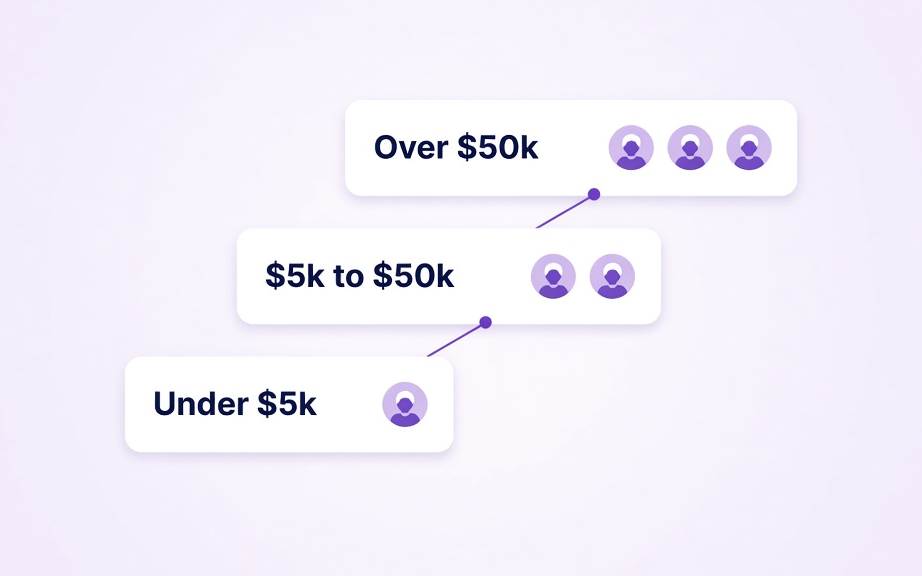
GuideThe procurement approval matrix, done right
How to set thresholds that catch genuine risk without making somebody wait three days on a small purchase, including the patterns that break.
Read it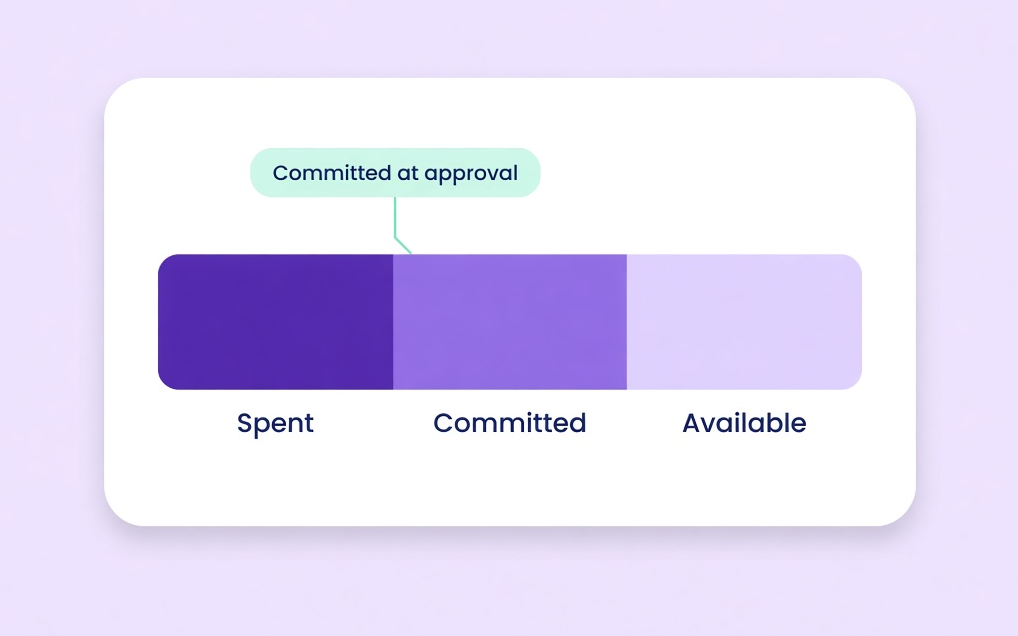 Analysis
What commitment accounting changes about budgeting
Why spend commits when a request is approved, not when the invoice is keyed. Your ERP still closes the books.
Read it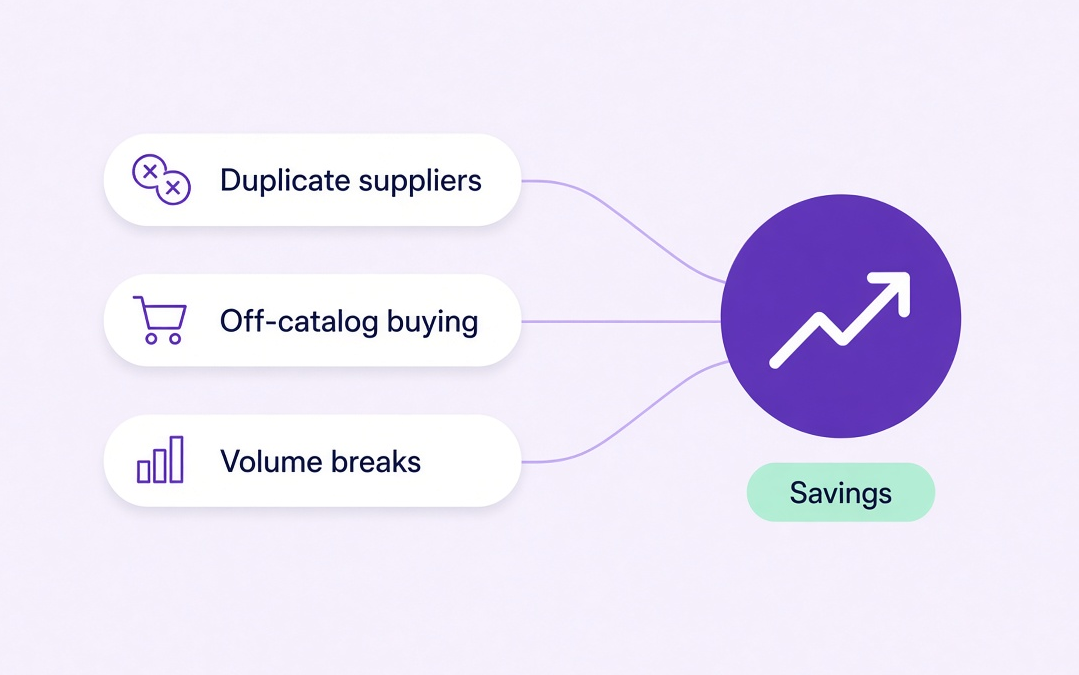 Analysis
Where mid market procurement savings come from
Duplicate suppliers, off-catalog buying and missed volume breaks — patterns you can see in the purchase record, not a licence-usage engine.
Read it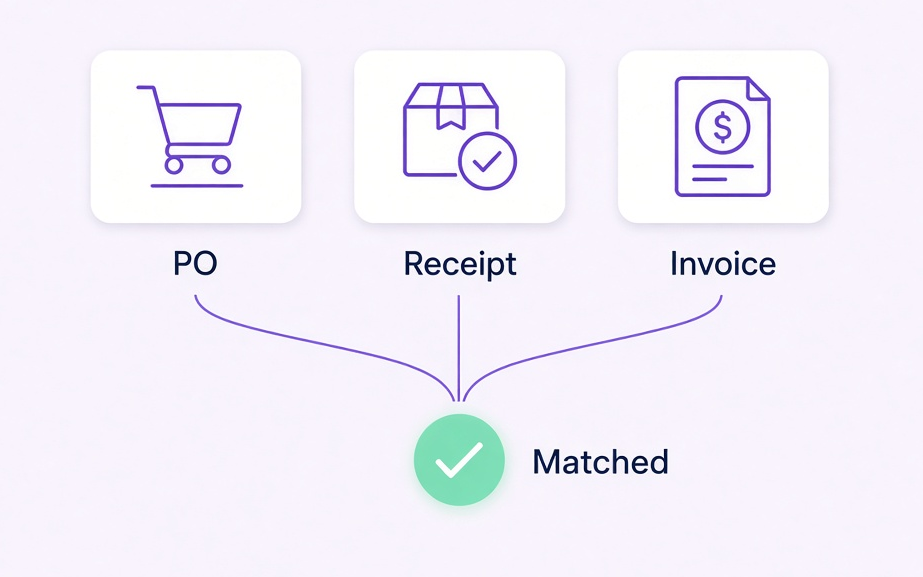 Guide
GuideThree way matching explained for finance teams
What it catches, what it does not, and the tolerance settings that determine whether accounts payable drowns in exceptions.
Read itThe rest of the library
 Playbook
Getting people to actually use procurement software
Adoption is a design problem rather than a training problem. What separates rollouts that stick from the ones that revert to email.
Read it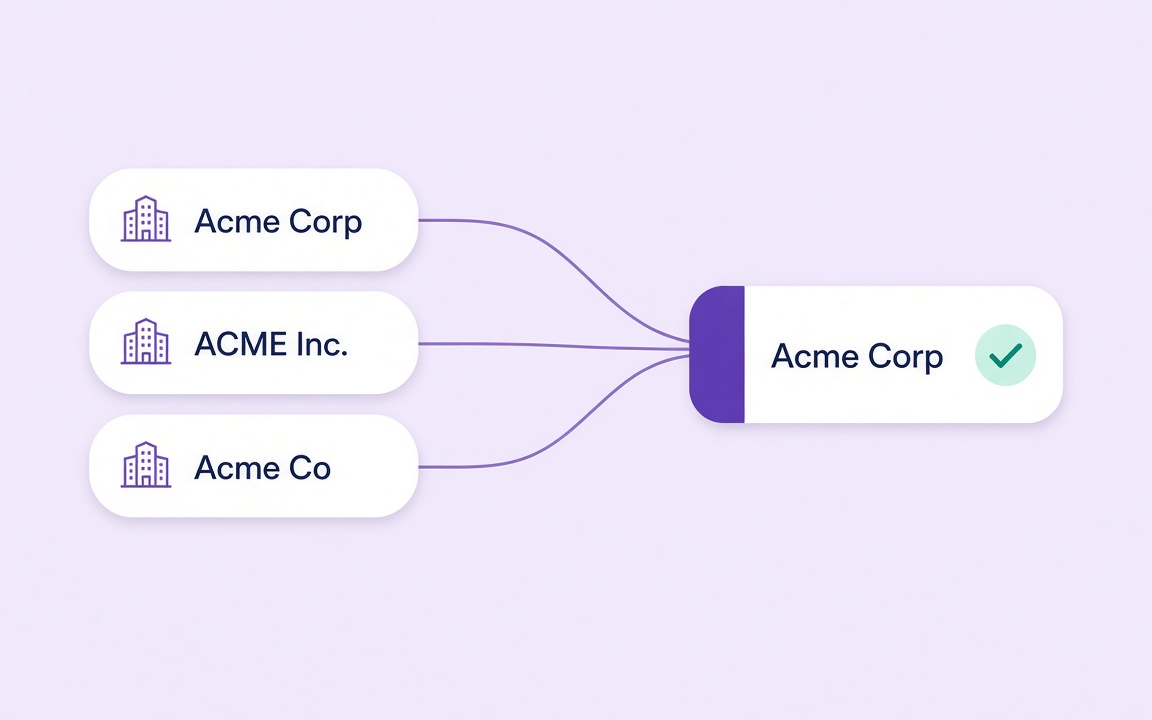 Playbook
Cleaning up a messy supplier list
A four week sequence for de-duplicating suppliers, closing document gaps and consolidating overlapping spend, in the order that keeps finance on side.
Read it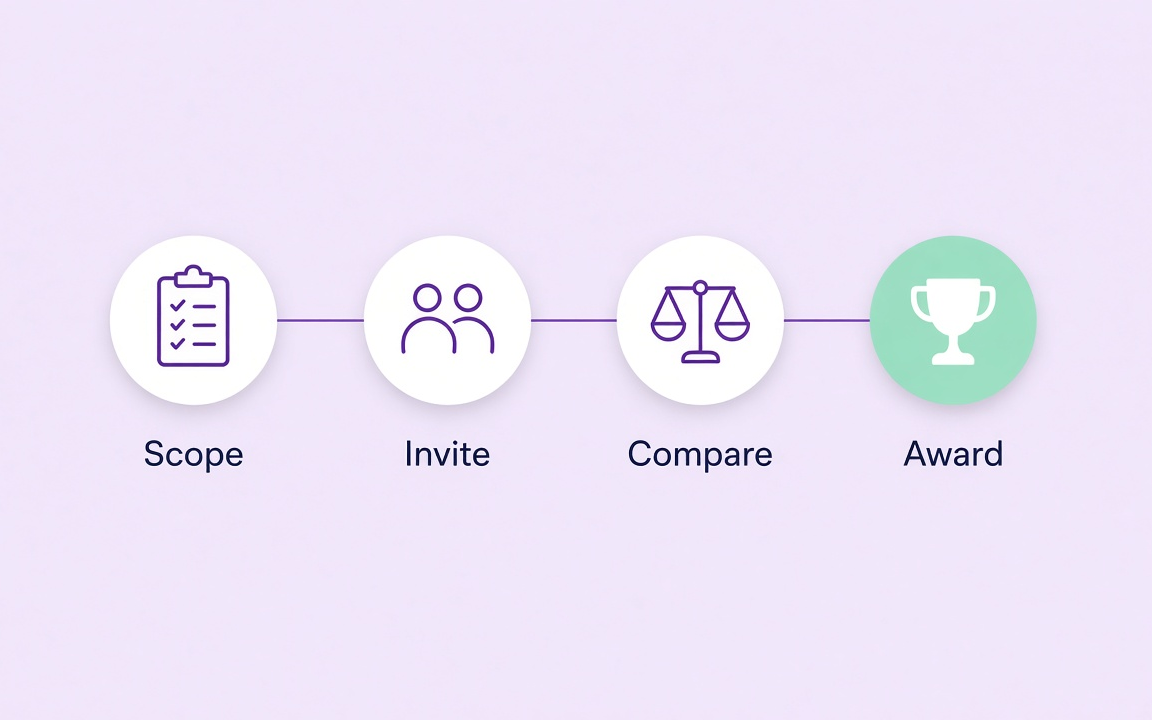 Guide
GuideHow to run your first sourcing event
Choosing the category, writing a specification suppliers can bid against, and the rules that keep it fair.
Read it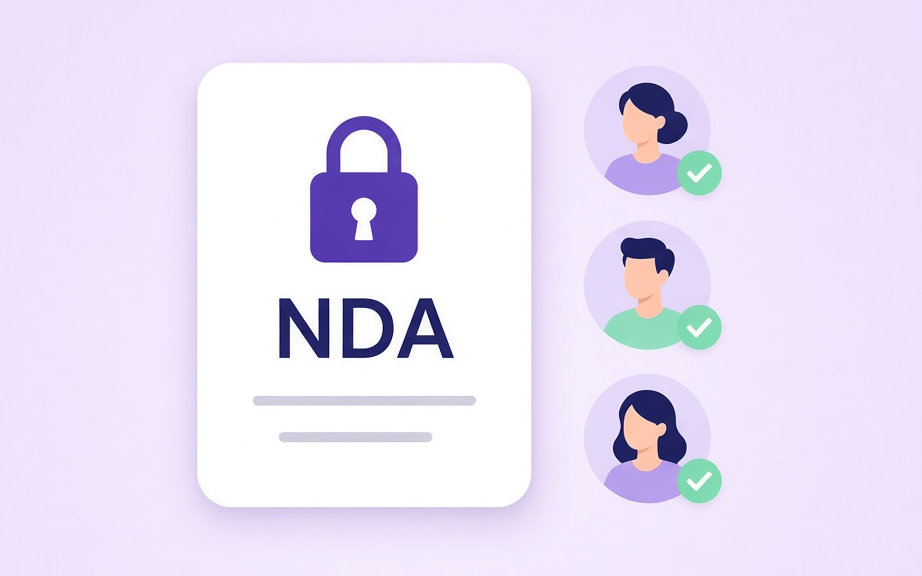 Guide
GuideNDAs before a sourcing event
Why attaching the agreement to the procurement beats chasing six suppliers individually, and what to expect in redlines.
Read it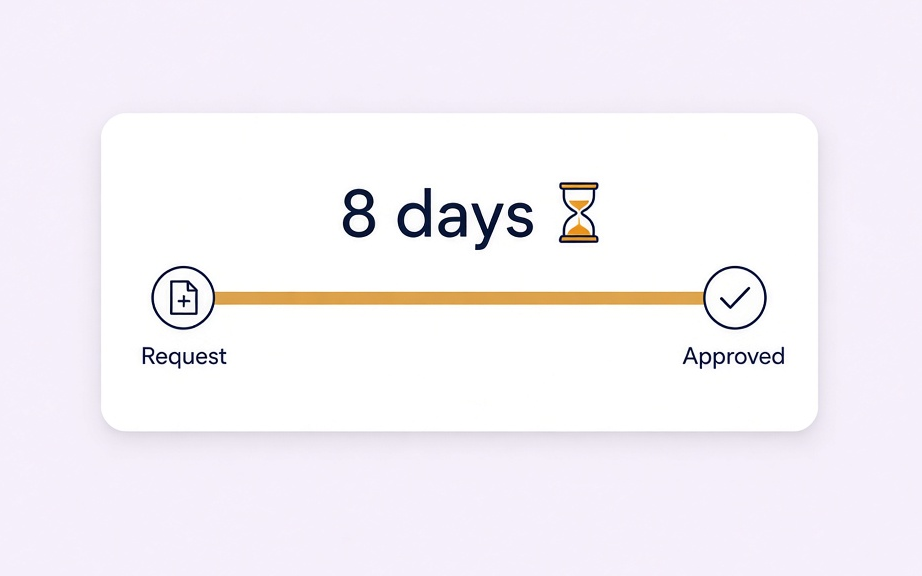 Analysis
The real cost of a slow purchase order cycle
How to calculate what eight days actually costs in rush fees, stockouts and finance time, so the business case writes itself.
Read it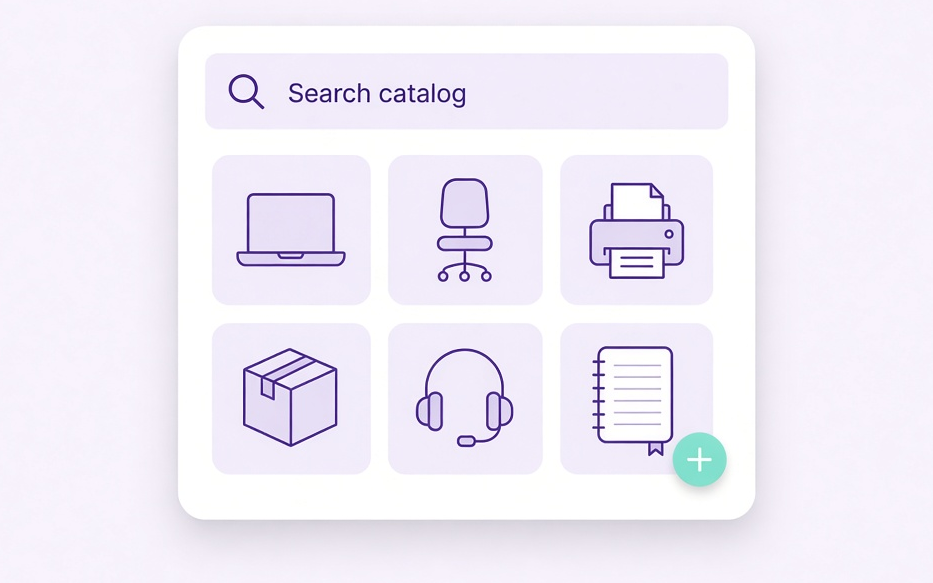 Playbook
Loading a catalog that people will actually use
The most common rollout mistake is a thin catalog. How to decide what goes in it and what to add next.
Read itThree things worth a look
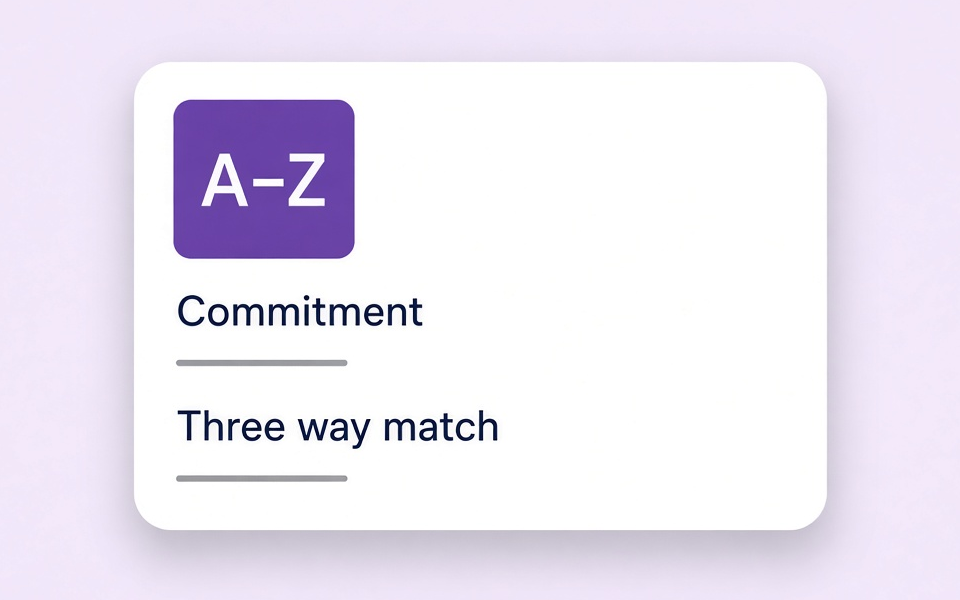
Procurement glossary
Thirty terms defined plainly, from commitment accounting to flow down clauses, grouped by where you meet them.
Open the glossary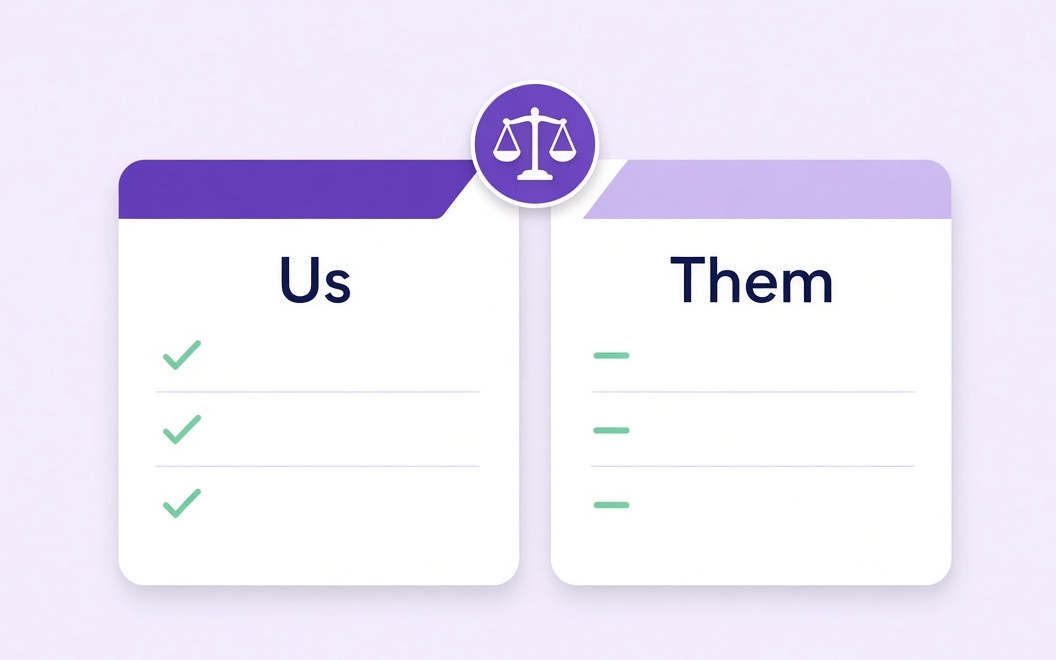
Compare the market
Honest comparisons against the platforms you are probably also evaluating, including where each of them fits better.
Compare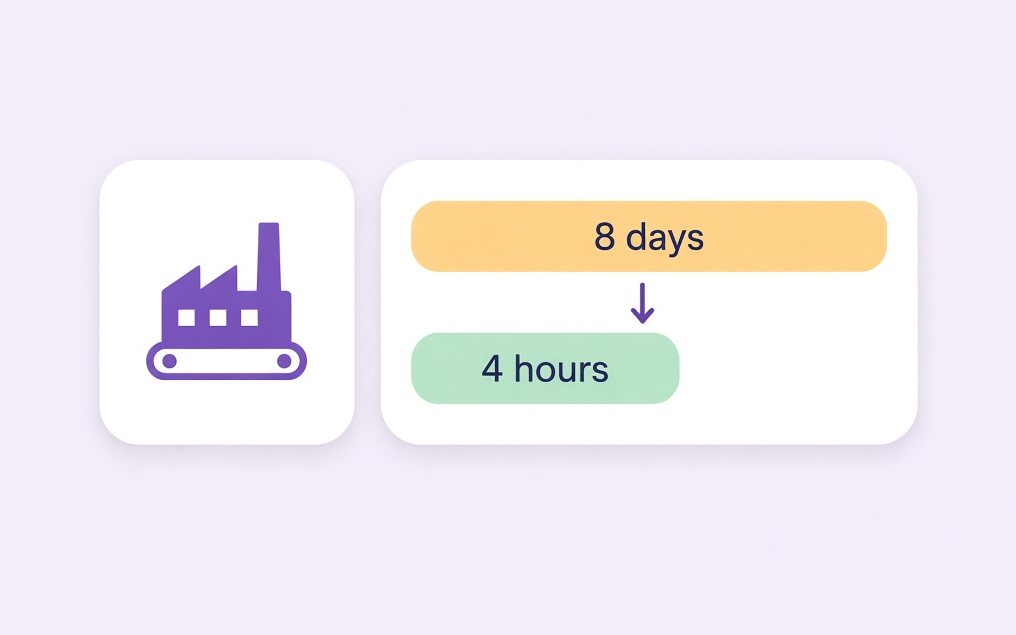
Manufacturing case study
An eight day purchase order cycle becoming under four hours, and the rollout sequence behind it.
Read itBring a purchase you actually raise
Thirty minutes. Your approval rules. No slides. If it is not a fit, you hear that on the call.
Book your free demoOr keep browsing: The glossary