eProcureAI / Platform / Security
Security and trustYour spend data,
handled properly
Procurement data shows exactly what your company buys, from whom, at what price and who approved it. We treat it accordingly.
Bring your reviewer to the demo. We would rather answer early than at contract stage.
Procurement data is more sensitive than people assume
Spend data is a map of how a company operates. What it buys, from whom, at what price, who signs it off and where the thresholds sit.
That combination is genuinely sensitive. It reveals commercial terms your suppliers would rather competitors did not see, internal authority structures, and where the approval gaps are for anyone looking to exploit them.
So the security posture here is not a compliance checkbox exercise. Encryption throughout, access granted by department rather than accumulated per person, and an audit trail nobody can quietly edit after the fact.
Bring your reviewer early
The most common failure in a software evaluation is security review happening at contract stage, when everybody has already decided and any finding becomes an argument rather than a question.
We would rather your reviewer joined the demo and asked the hard questions while there is still time for the answer to matter.
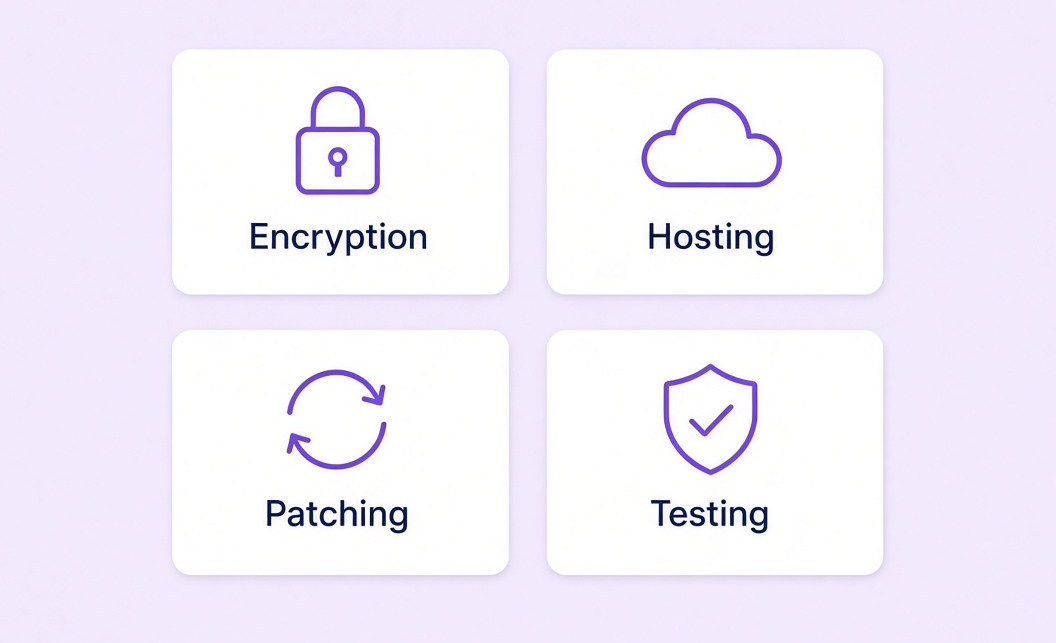
Five areas, and what each actually means
In transit and at rest
With keys managed centrally and rotated. Customer data does not leave the environments we control.
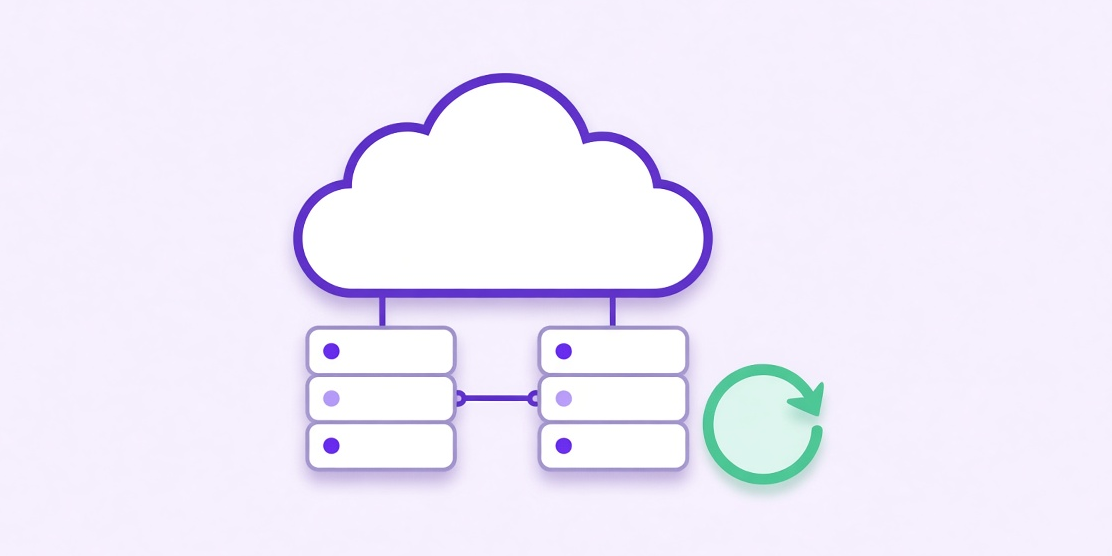
US based cloud
Redundancy across availability zones, with restore procedures that are tested rather than documented and assumed.
Least privilege by department
Permissions belong to departments and are inherited, with administrative roles kept separate from transactional ones.
Append only
Every approval, amendment, override, signature and export recorded with the actor, the timestamp and the stated reason. Records cannot be edited afterwards.
Independent
Regular penetration testing by third parties plus continuous vulnerability scanning, with findings tracked to closure.
Three decisions that reduce the attack surface
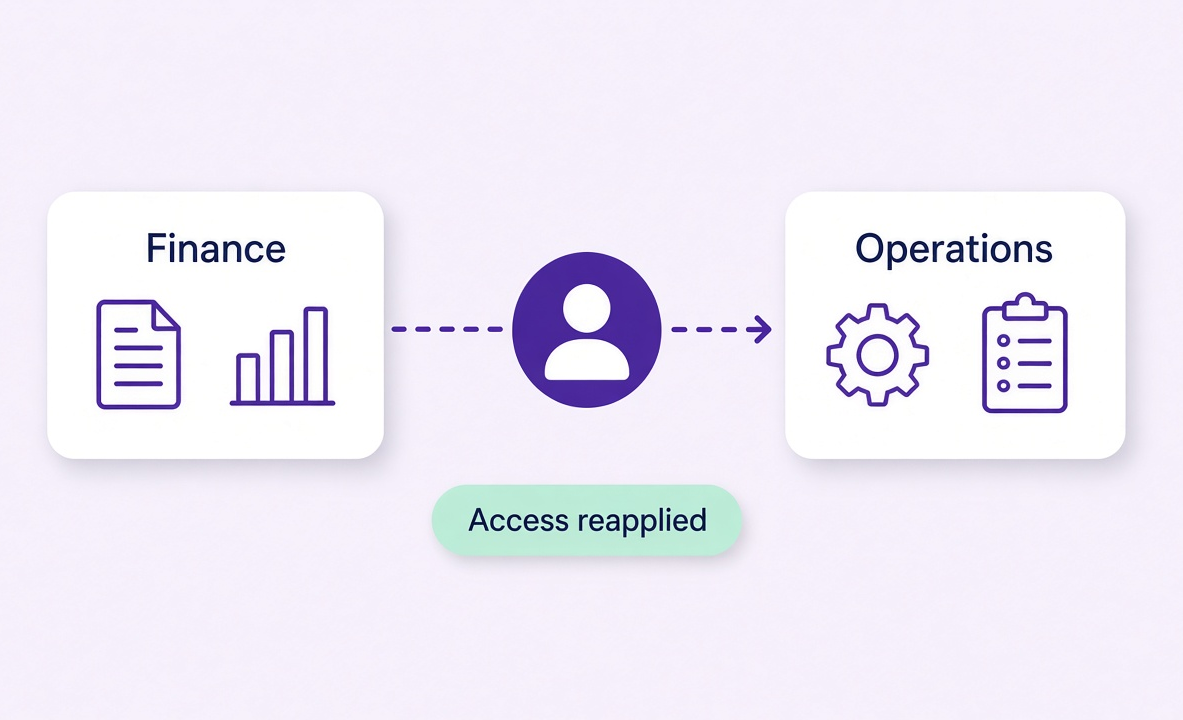
Permissions belong to departments
Access granted to a department and inherited by its members, rather than copied from another user and accumulating over years.
- Baseline per department rather than per person
- Inherited on joining and removed on leaving
- Overrides visible as overrides
- No permissions carried from a previous role
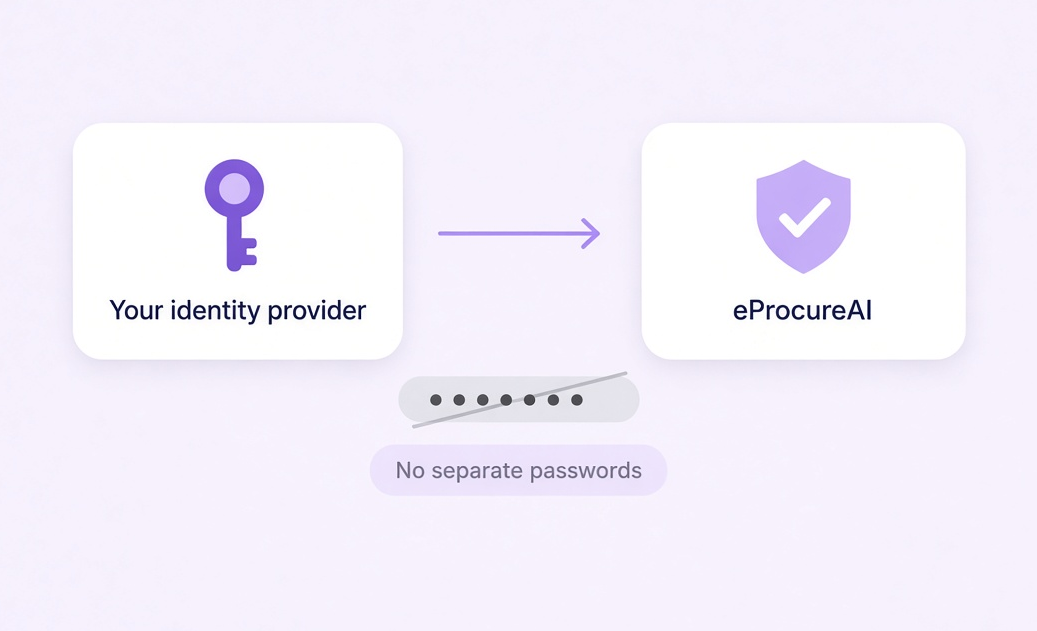
Single sign on through your provider
Authentication uses your existing identity provider, so there is no parallel password estate and your leaver process continues to apply.
- Authentication through your identity provider
- Provisioning and de-provisioning follow your process
- No separate password list to manage
- Administrative separation preserved
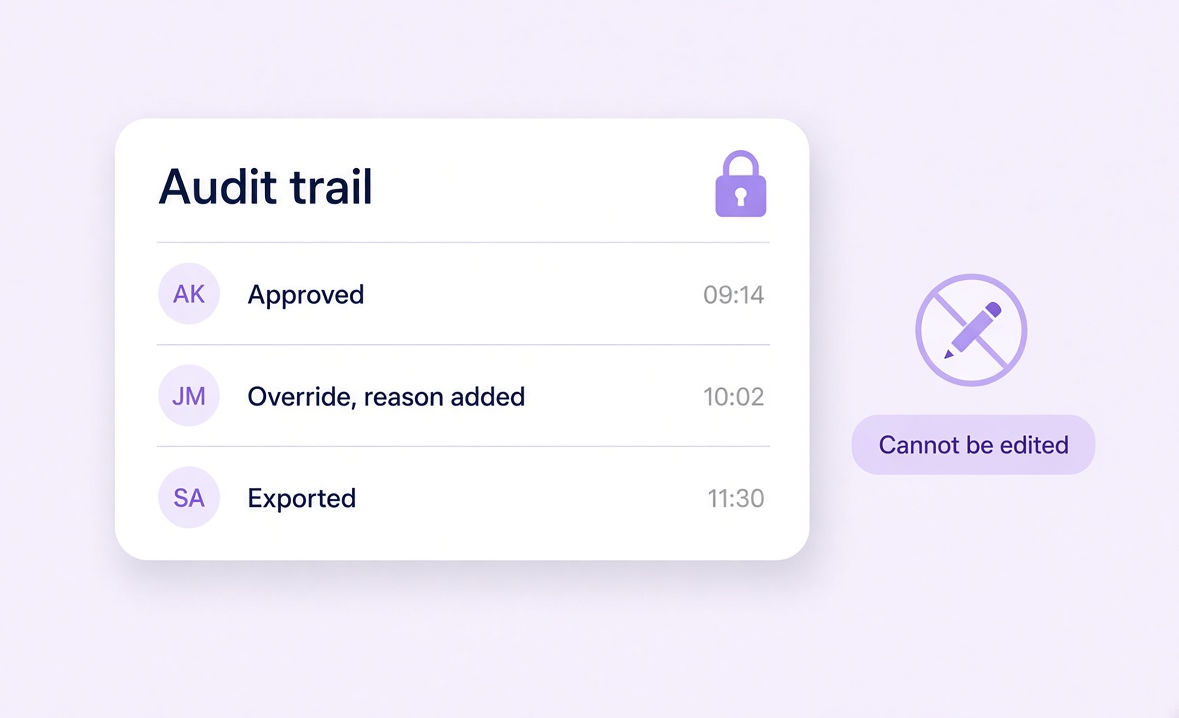
The audit trail cannot be edited
Records are append only. That is the difference between a log, which describes what a system thinks happened, and evidence, which somebody can rely on.
- Every action recorded with actor and timestamp
- Reasons captured on overrides
- Records cannot be altered after the fact
- Exportable in full on demand
What they will ask for, and where it comes from
Most of this is available under NDA during evaluation. Ask on the call rather than at contract stage.
| Area | What we provide | When |
|---|---|---|
| Architecture | Overview and data flow diagrams | Under NDA during evaluation |
| Sub processors | Current list and what each one touches | Under NDA during evaluation |
| Third party testing | Current attestations and summary findings | Under NDA during evaluation |
| Access and identity | Role definitions, provisioning and de-provisioning flows | On request |
| Resilience | Backup cadence, tested restore procedures, incident response | On request |
| Data handling | Retention, deletion, export formats | On request |
If your reviewer needs something not listed here, ask. We would rather find out during evaluation than during contracting.
Six commitments about your data
It remains yours
We process it to provide the service. Ownership does not transfer at any point.
Or shared
Not with partners, not in aggregate, not as market data.
For other customers
Your spend, contracts and supplier terms are not used to train models serving anybody else.
At any time
In standard formats, not as a favour and not as a retention tactic.
On request
Honoured under the terms in your agreement rather than negotiated at the time.
Who touches what
The sub processor list is available under NDA rather than being something you have to ask twice for.
The short version of responsibilities
The split matters because a shared responsibility model only works if both halves are stated plainly.
What you control
Your identity provider, your access model, and who can do what inside your organisation.
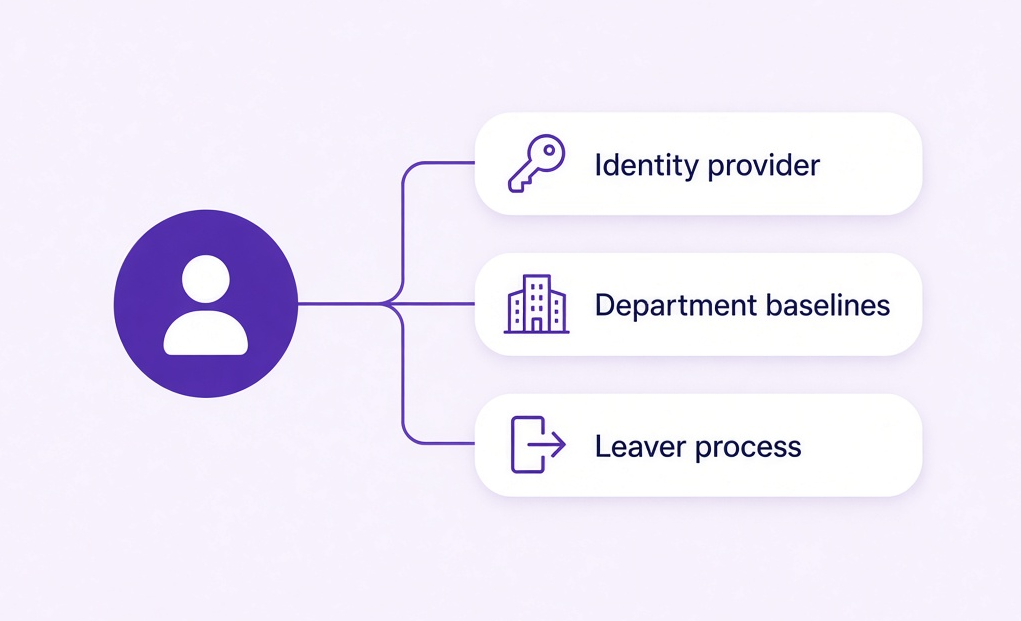
What we control
Everything underneath, including the parts you would otherwise have to run yourselves.

Questions people actually ask
Bring your security reviewer to the demo
We would rather answer the hard questions early than discover them at contract stage.
Book your free demoRelated: Access and Permissions