eProcureAI / About us
About usAbout eProcureAI, Procurement Software Built for Adoption
Most procurement systems are designed for the person configuring them. We build for the person who needs a laptop, has four minutes, and would rather not learn anything.
Built by people who ran procurement before they built software for it.
We built the tool we always wished existed
Decades inside enterprise procurement. The same frustrations, repeated everywhere. At some point we stopped waiting for somebody else to fix it.
The people responsible for managing enormous amounts of company spend were spending most of their time on work a machine should be doing. Chasing approvals. Reconciling spreadsheets. Re keying data that already existed somewhere else. eProcureAI was built to give that time back.
The procurement function is only as strategic as the time it has left after the admin work.Todd Coles, Founder and Chief Executive
What we changed
Approvals used to live in email, lost in inboxes, with no audit trail and no way to say what was approved or by whom. Now requests route to the right approver on their own and every decision is timestamped.
Tracking used to happen in spreadsheets, in several versions, with month end surprises for finance every quarter. Now the budget position updates the moment a purchase order is raised rather than when it is paid.
Compliance used to be somebody's full time job. Now policies apply themselves at every step, which turns an audit into a routine exercise rather than an event people dread.
He did not read about the problem. He lived it for decades.
Most procurement software is built by people who interviewed a procurement team once. This was not.
Todd Coles, Founder and Chief Executive
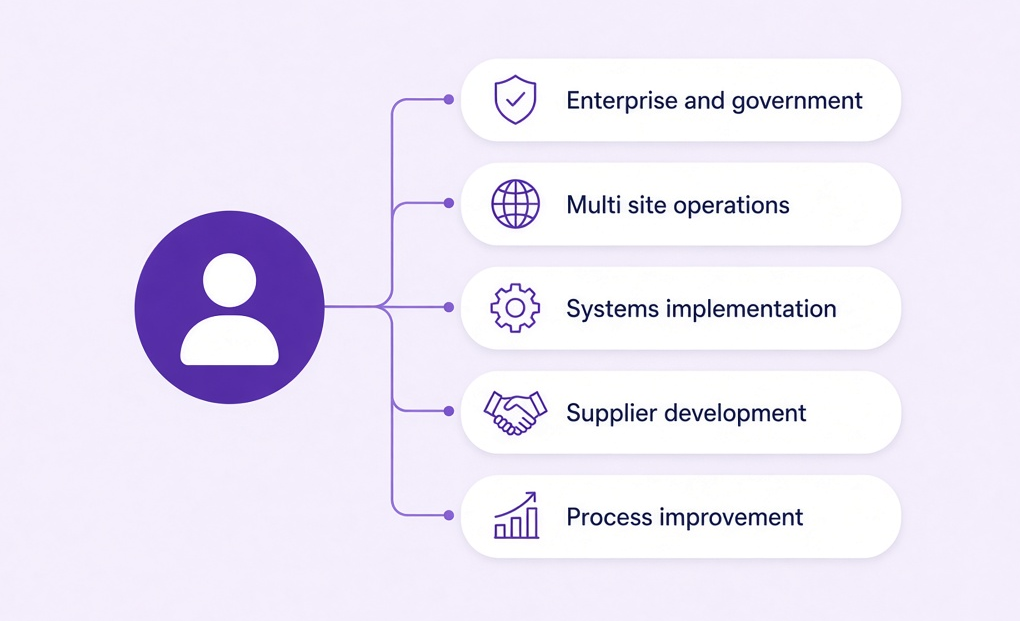
Todd spent his career deep inside complex procurement environments. Managing multi layered subcontracts across Department of Defense programmes, running sourcing operations across continents, and implementing large enterprise systems from the ground up.
He has seen what happens when procurement works well, and what it costs an organisation when it does not. eProcureAI is the platform he always needed and never had.
Where that experience came from
Four areas of work that shaped what the product pays attention to.
Six opinions that have each killed a feature
Adoption beats capability
A feature nobody uses is worse than no feature, because it still has to be maintained and explained. When we cannot make something quick, we would rather leave it out.
AI should do work
Reading an invoice is work. Matching it against an order is work. Summarising what somebody else did is not. If a feature only produces a summary, it does not ship.
One record, not four systems
Most procurement pain comes from the joins between tools. Keeping requests, orders, receipts and invoices on one record removes a whole category of problem.
Weeks, not quarters
Implementation is measured in weeks and handled by our own team. No partner statement of work, no change request process, no services margin inside your quote.
Say when you do not fit
We publish comparisons that name where another platform is the better choice. A mismatched deal costs both sides more than a lost one.
Customers set the roadmap
Feature requests from customers reach production regularly rather than appearing on a slide. It is a low bar that most procurement software still fails to clear.
Two things worth knowing up front
Neither of these is a differentiator we invented. They are simply the two things customers ask about most before signing.
Support is our own team
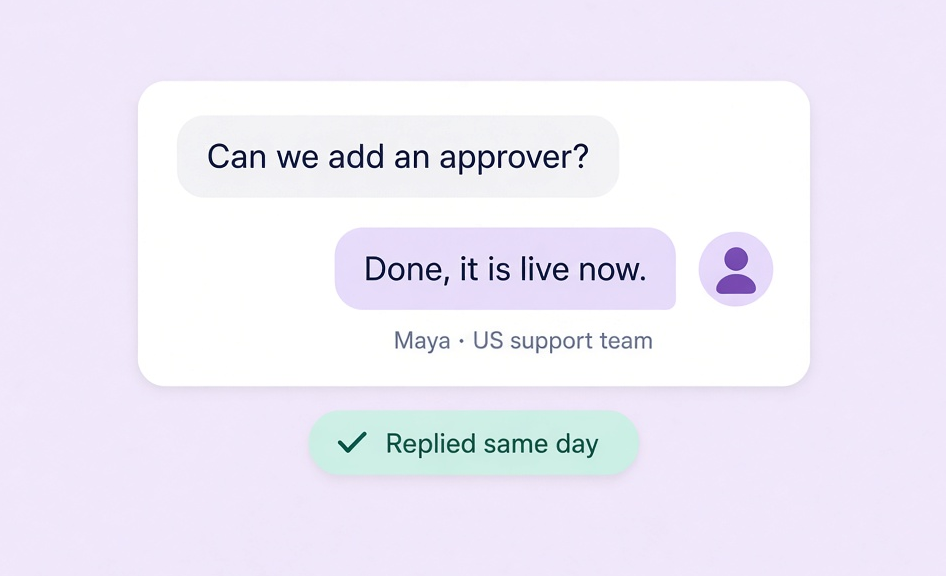
Based in the United States and not outsourced. The same people answer during implementation and afterwards, which is why customers mention support more often than any single feature.
We ship weekly
Small changes reaching production most weeks rather than a quarterly release everybody has to prepare for. Customer requests are the main source of what goes in.
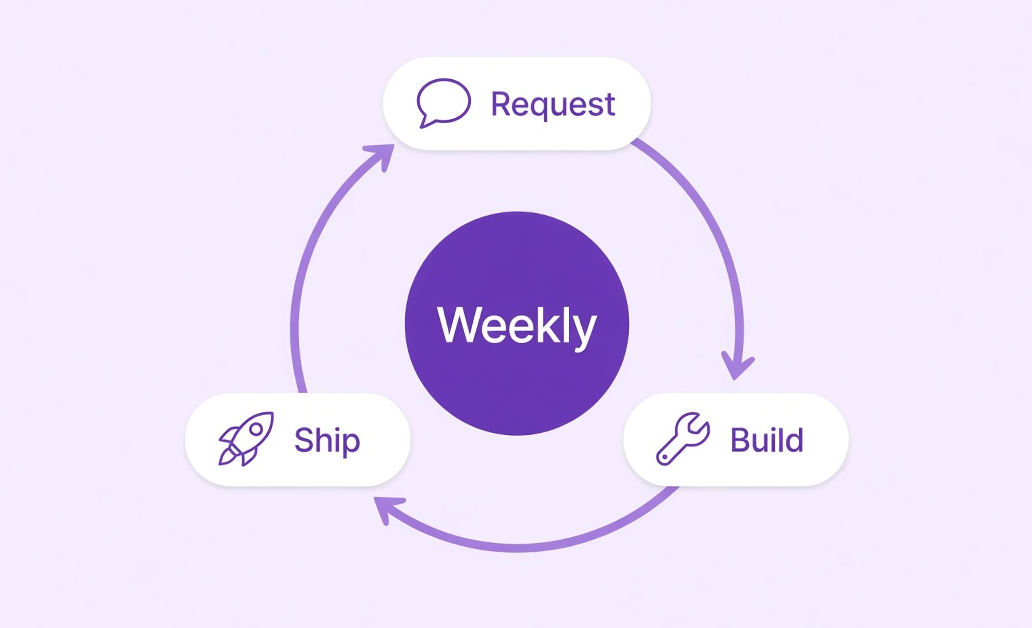
About three weeks, and mostly on our side
Decisions, not data entry
We work through your approval thresholds, your charge code structure and which module goes live first. Your team spends a few hours making decisions rather than typing.
Configuration and loading
Routing rules, catalog and supplier list are set up by our implementation specialist. You review rather than build.
Testing and go live
Real transactions are run through until finance is satisfied the numbers land where they expect. Then the first module goes live.
One training session per site
Usually shorter than planned, because the request form does not need much explaining. Adoption after that is generally not mandated.
The next modules
Most teams add two more modules during the first year. Nothing is reimplemented, because it is the same record underneath.
Written down so you can hold us to it
Procurement teams are sold to constantly, and most of it is unpleasant. These are the rules we work to.
| What we do | What we do not do |
|---|---|
| A thirty minute demo using your thresholds and a request type you actually raise | A generic tour of a demo tenant full of invented data |
| Tell you on the call if your requirements point somewhere else | Stay quiet and let you find out in month seven |
| Send a written summary with the assumptions behind any number | Quote a figure that changes once somebody looks at the detail |
| Say plainly when a capability does not exist yet | Describe a roadmap item in the present tense |
| Follow up once, or as often as you ask | Put you into an eleven email sequence |
| Tell you if you are too early for this and should wait | Sell to a company processing forty invoices a month |
Questions people actually ask
Come and see whether we fit
Thirty minutes, your own approval rules, and a straight answer at the end. If the answer is no, you get that on the call.
Book your free demoOr look at the product first: The platform